2023.09.24 Sunday 19:00
Location
No.3, Lane 40, Wukang Road, Xuhui District, Shanghai
Performer:Cao Shu
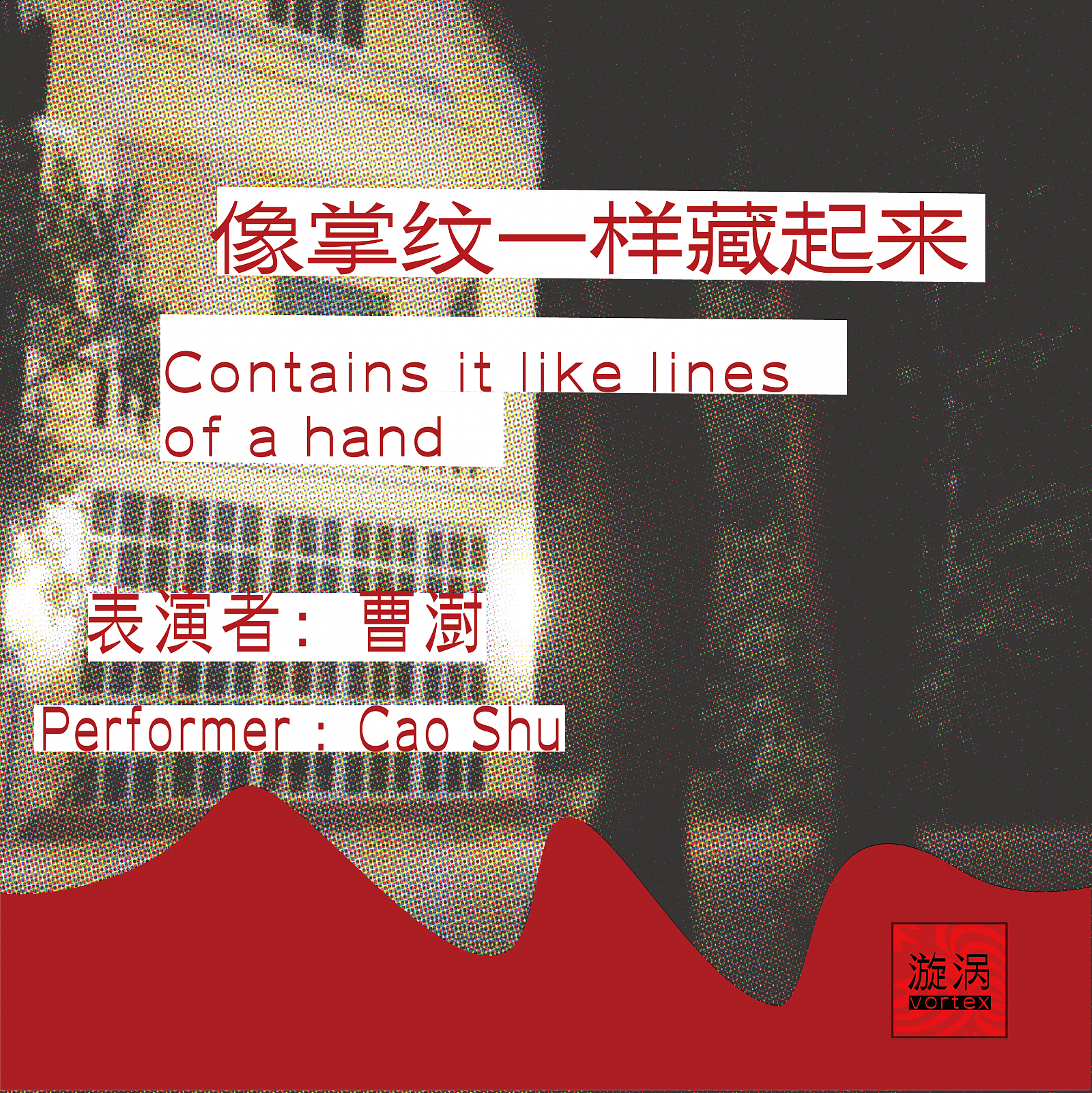
The performance lecture will incorporate one of my self-made video games. The unfinished, decrepit game is based on my mother’s verbal account of my grandmother and, in some ways, showcases a perspective of emotional contagion exclusive to females in the last century. The game engine weaves together many fragments of the reality: life in an earthquake-resistant shelter after the 1976 Tangshan earthquake, memories during the “qigong fever” social phenomenon, myths of earth arteries, stories and narratives of deities and monsters, nightmares plagued by physical pains and wounds, and the haunting of patriarchy within a 20th-century family. The clues scattered throughout the game and performance process concern landforms as well as human bodies because they bear resemblance to each other, as both are shaped and sculpted by ghosts down through the generations.
For me, this video game is a technological form of experiencing death in advance, much like Tetris blocks continuously falling down and signifying an inevitable endpoint. During this process, memories, with each of their Sisyphean repetitions, seem to be able to reconcile with time at last.
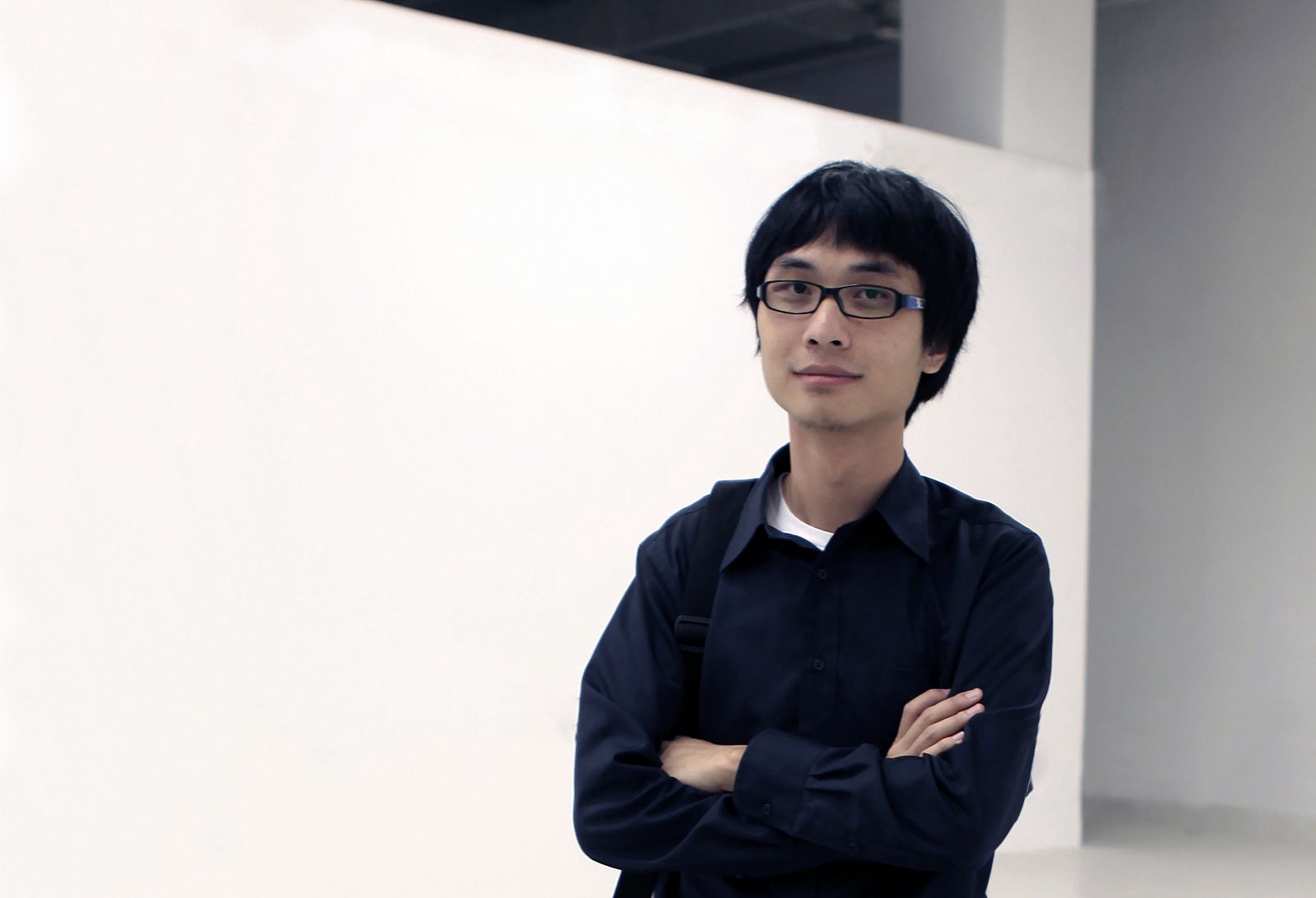
CAO Shu (b. 1987, Shandong Province, China) lives and works in Hangzhou, China, teaching at China Academy of Arts. His working interfaces include but are not limited to, 3D digital moving images and interactive games. Cao Shu often constructs narration in a restrained way, offering the audience a new perspective of things, and through his transdisciplinary practice, a multi-branched network of meanings is formed. His works are often based on a specific place and ask open-ended questions. He hopes to reactivate historical events or personal memory at the perceptual level through experiments with different materials and media. In addition, he is also interested in the notions misreading and dislocation based on different cultural and technological environments in history. His works have won such awards as 2022 OCAT x KADIST Emerging Media Artist Award,2021 Exposure Award of PHOTOFAIRS Shanghai, 2015 New Narrative Award from the Long Week of Short Films, and 2017 BISFF Award for Outstanding Artistic Achievement. His works has been exhibited in art Museums around the world, such as Kunsthausbaselland, UCCA Dune, Macao Art Museum, Beijing Minsheng Art Museum, OCAT Shanghai and Shenzhen, Sleep Center New York, Die Sammlung Falckenberg Hall Hamburg. Works are collected by KADIST Art Foundation, Australian White Rabbit Art Gellary, Blue Mountain Contemporary Art Foundation, Zhejiang Art Museum, etc
VORTEX, launched by the MACA in Shanghai in 2022, is an art and cultural salon in the form of lecture performances occurring once or twice every month. The programme calls for non-institutionalised artistic and academic production in which contemporary art practitioners and scholars get to explore cross-disciplinarily the issues of the macro or micro, the global or local, the collective or individual. VORTEX, hence, is where you spin in the whirlpool of spontaneous whims and intuitive approaches represented by individual research and enquiries. Being present here at VORTEX, you are experiencing versatile forms of lecture performances that experiment with new mechanisms and methodologies.