2023.04.01 Saturday 19:00
Location
2F, The Cloister Apartments, 62 West Fuxing Road, Shanghai
Speaker: Shi Qing
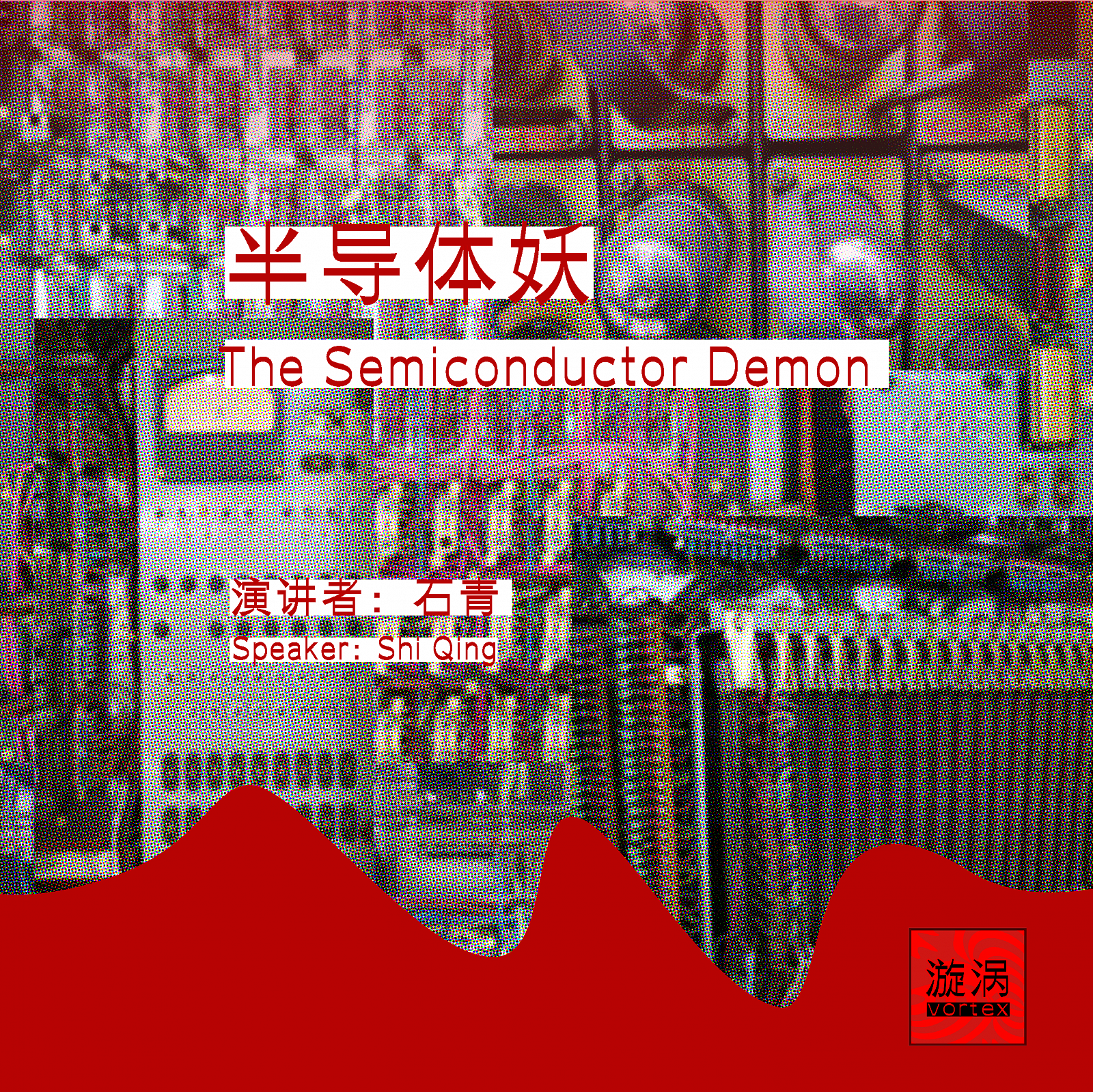
Moore's Law can be viewed as to describe an acceleration path. Today, the processing of semiconductor chips is close to the atomic scale, and the traditional physical fabrication method is seeing its end. Moore's Law is considered by many, including himself, to be approaching its end. Moreover, the discovery and application of silicon in semiconductors is a fortuitous event, but there is no clear answer so far as to whether carbon-based materials--such as graphene--can actually replace it. With the intervention of new conductive materials and quantum computing, will carbon-based technology, which has been put to an end by silicon-based computing, make a comeback? Or has silicon-based, long held hostage by machine consciousness, begun to learn from carbon-based again?
In my previous works Qian Xuesen and the Yangtze River Computer and Textiles, Carbon-Based Machines and Revolution, I mentioned "people's computing" and carbon-based machines--they are also included in this topic of organizational computing. The term "semiconductor demon" , on the one hand, refers to the speed paradox of the chip technology is about to face, and on the other hand, reveals the "imperial monster" nature of the semiconductor industry itself, which has been deeply embedded in a high degree of alliance between capitalist conglomerates and state coordination from the beginning, and continues to be a "Cold War relic" in today's international politics scene. Nowadays, people frequently referred to Artificial Intelligence and its computing ecology, which seem to offer the possibility of cracking the electronic hegemony. However, it remains unclear in terms of its organisational and technological tendencies and development path.
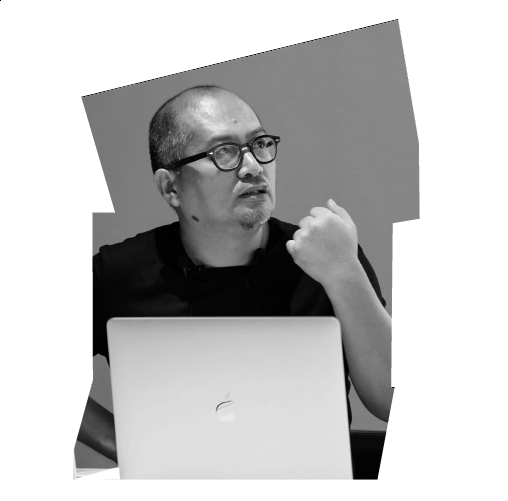
SHI Qing is an artist who lives and works in Shanghai. He works in a variety of media including installation, video and performance. His work engages with the fields of body and site, nomadic geography, spatial production, media archaeology and the history of socialist technology. He is the co-founder of Chongqing Work Institute (CWI) and Jiangnan Stack.
VORTEX, launched by the MACA in Shanghai in 2022, is an art and cultural salon in the form of lecture performances occurring once or twice every month. The programme calls for non-institutionalised artistic and academic production in which contemporary art practitioners and scholars get to explore cross-disciplinarily the issues of the macro or micro, the global or local, the collective or individual. VORTEX, hence, is where you spin in the whirlpool of spontaneous whims and intuitive approaches represented by individual research and enquiries. Being present here at VORTEX, you are experiencing versatile forms of lecture performances that experiment with new mechanisms and methodologies.