2022.05.21 Saturday 20:00
Location
Online
Artist: Shao Chun
Moderator: Yuan Fuca
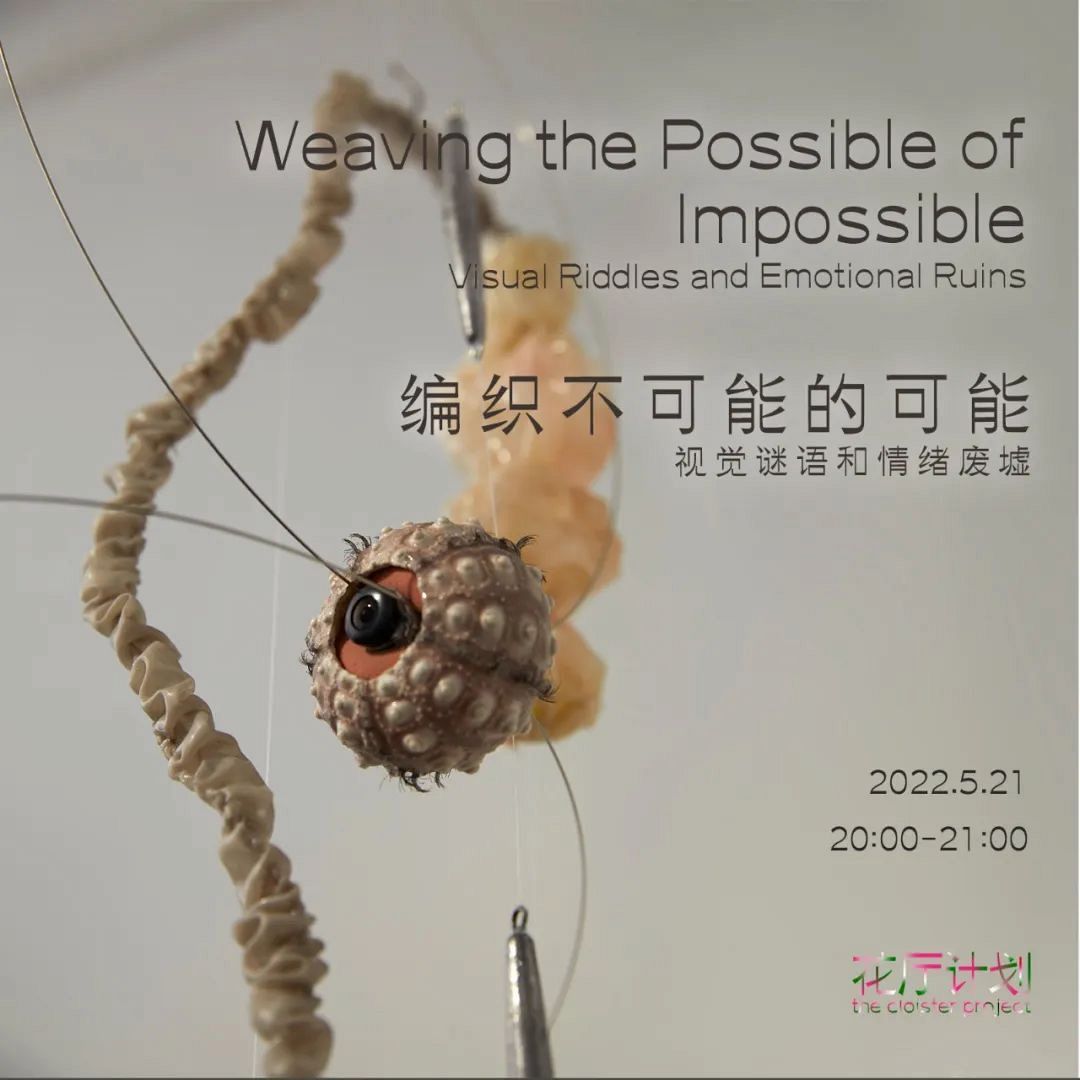
The new normality now makes our once-conformist bodies start to crumble. In the upcoming 40-minutes performative lecture "Weaving the Possible of Impossible: Visual Riddles and Emotional Ruins" on May 21, Shao Chun will integrate photo collages as well as texts to reconstruct an online virtual space of MACA’s Cloisters Apartment. The space will be transformed into a vehicle of fear and anger, paranoid despair and uncanny pleasure, and the various ravines, pores, folds, and uneven surfaces of the artworks in the “Riddle Bodies“ exhibition will become maternal bodies full of sensors, on which air particles are constantly brewing and weaving a wet web—like a riddle that is constantly enhancing itself.
“But in the end, behind these carefully arranged details, what I want to express is a kind of sadness, a sense of poetic despair. So that the audience is always in a field full of self-contradictory structures. Yes, for me, making visual riddles is an excuse for reflection and criticism. Maybe it is an entrance to a certain place.”
Shao Chun is a multimedia artist whose research interests encompass the field of multimedia installation, e-textiles, speculative design, and data-driven art. She studied Fine Arts at the Academy of Art in Hangzhou in China and graduated from the School of Art Institute of Chicago in the Performance Department. In 2019, she received her Ph.D. in Philosophy from the University of Washington at the Center for Digital Arts and Experimental Media. Her most recent research focuses on interactive textiles, exploring the poetics between touch and emotion. From 2014 to 2018, Shao taught at the University of Washington in Seattle, along with numerous exhibitions, awards, and residencies.
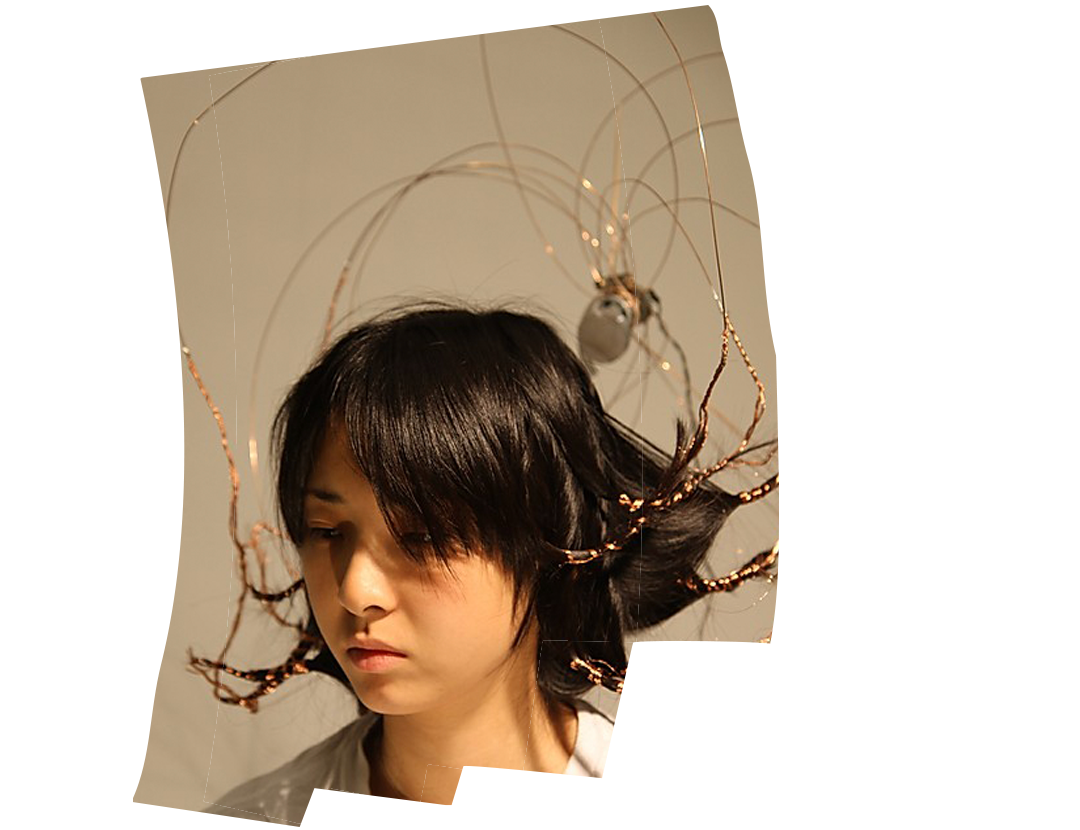
Yuan Fuca, Chief Curator-at-Large of MACA.