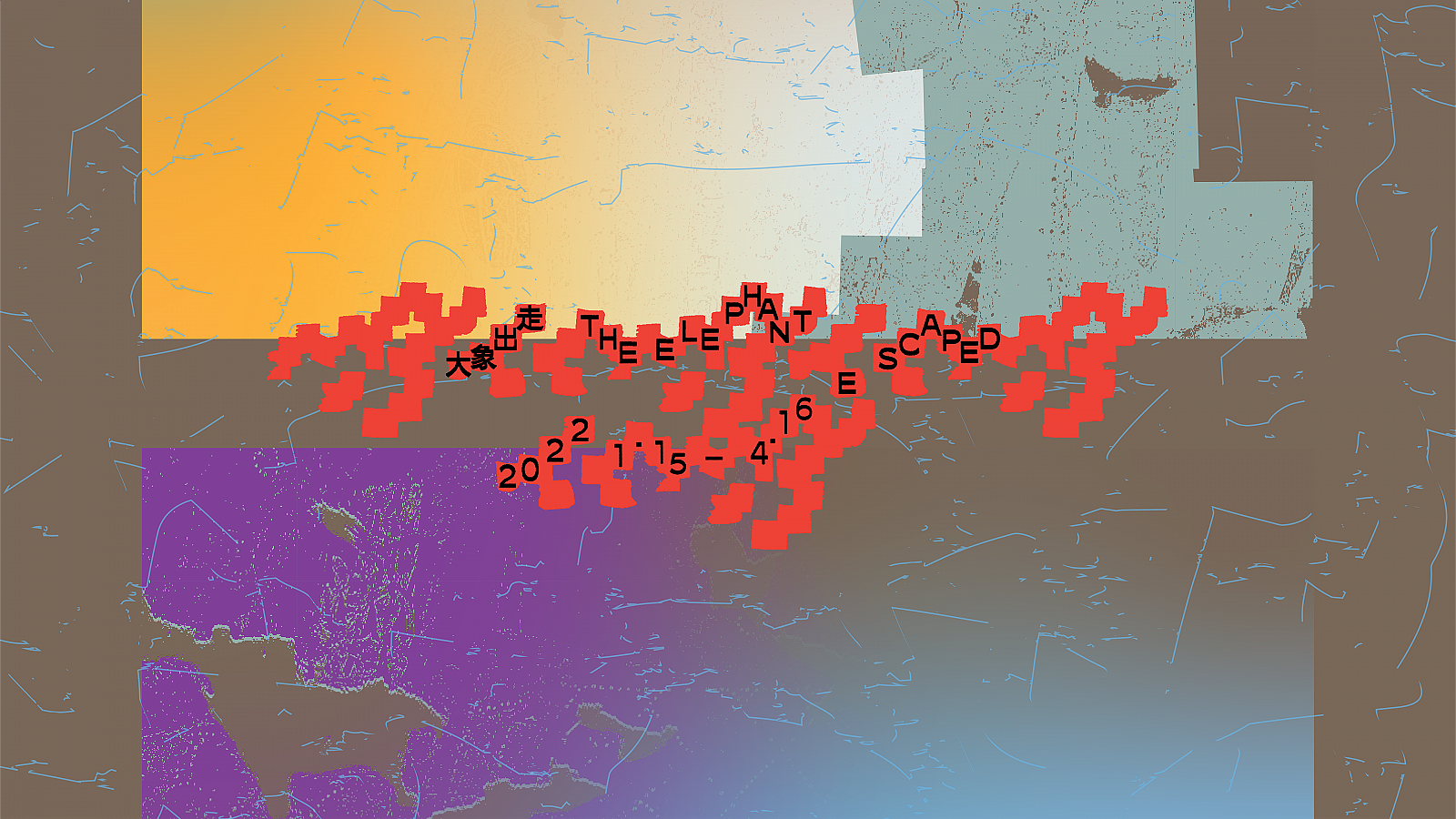
 The Elephant Escaped
1, 2, 3, 4: A Performance Reading
2022.04.10 Sunday 14:00
Location
Online
Text: Shen Xin
Dramaturge: Yuan Fuca
Performance: Lazina Tayir (Uyghur), Clement Huang (Chinese), Deji Dolma (Tibetan), Ayakoz Huan (Kazakh)
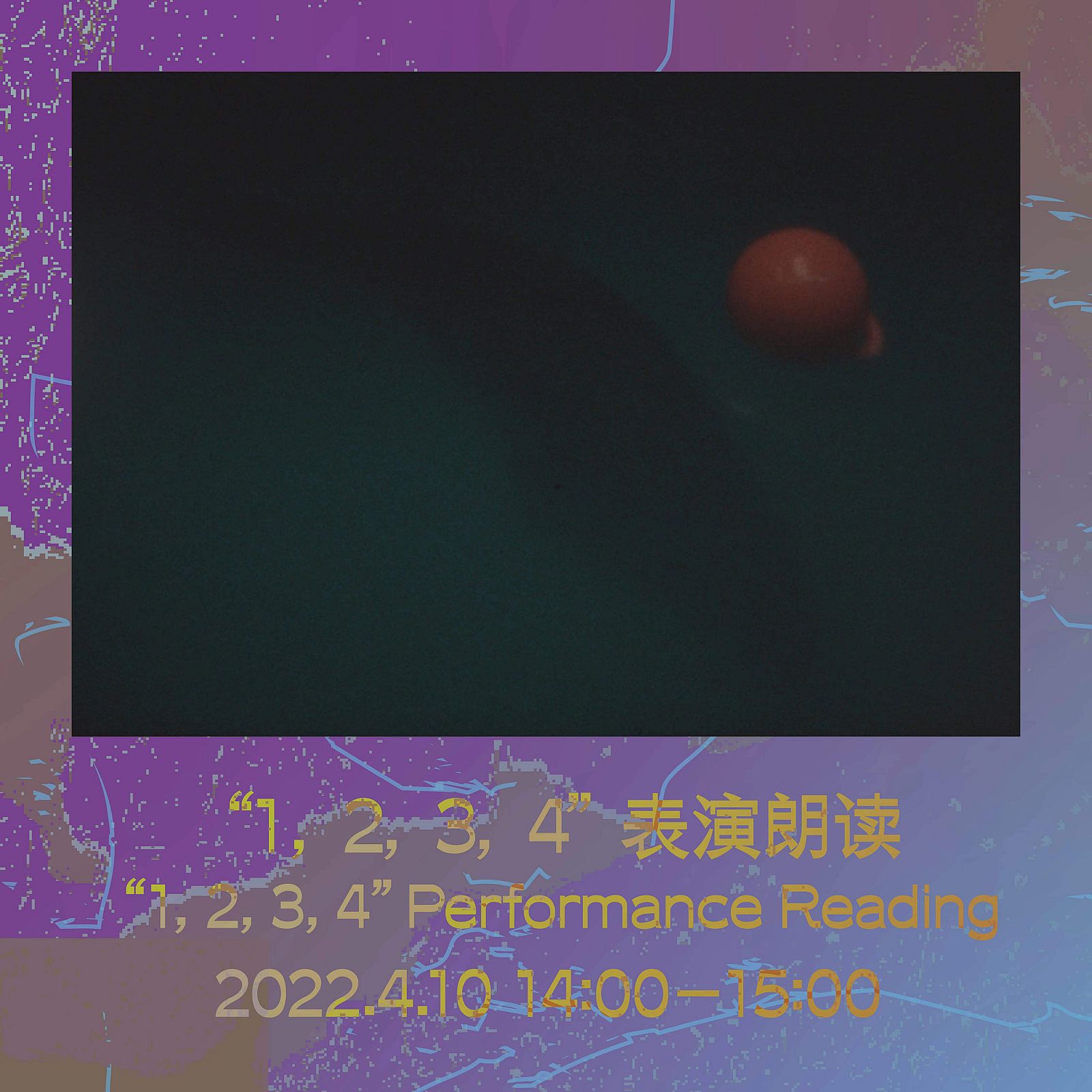
Shen Xin’s video work New Light, shown in “The Elephant Escaped,” collages the experiences of learning languages and looking at animals through an array of languages, texts, sounds, and images. The piece invokes the biology of language and restores meaning to learning. Shen Xin’s new text “1, 2, 3, 4” further explores the relationship between language and text, simultaneously describing faults in geographic structures and individual histories. These faults serve as a metaphor for a critical moment in the imagining and naming of the unknown. In writing about and naming different faults, trenches, and horsts, Shen constructs a new map of the unknown, tracing unfamiliar histories within familiar pictures, characters, and stories.
Excerpt from “1, 2, 3, 4”
“The connections perceived in different locations on the surface of the Earth are simultaneously written in time. The relationship between rivers and glaciers has become weaker, which has in turn strengthened the relationship between rivers and precipitation. As the years and seasons pass, these relationships constantly probe the expansion of differences. The saturation of rivers in spring and early summer has moved forward into the late winter and early spring. Time is gradually cut into pieces by these glacier relationships: a lack of moisture in the summer, unpredictable flooding in the spring, and a moraine-dammed lake that is formed and destroyed. Time is understood as a series of lumps.”
Based on Shen Xin’s text, MACA will host a performance reading on April 10, 2022. Through the nervous or easy connections between Uighur, Kazakh, Tibetan, and Chinese, the performance will explore the divergent temporalities constructed by different languages.