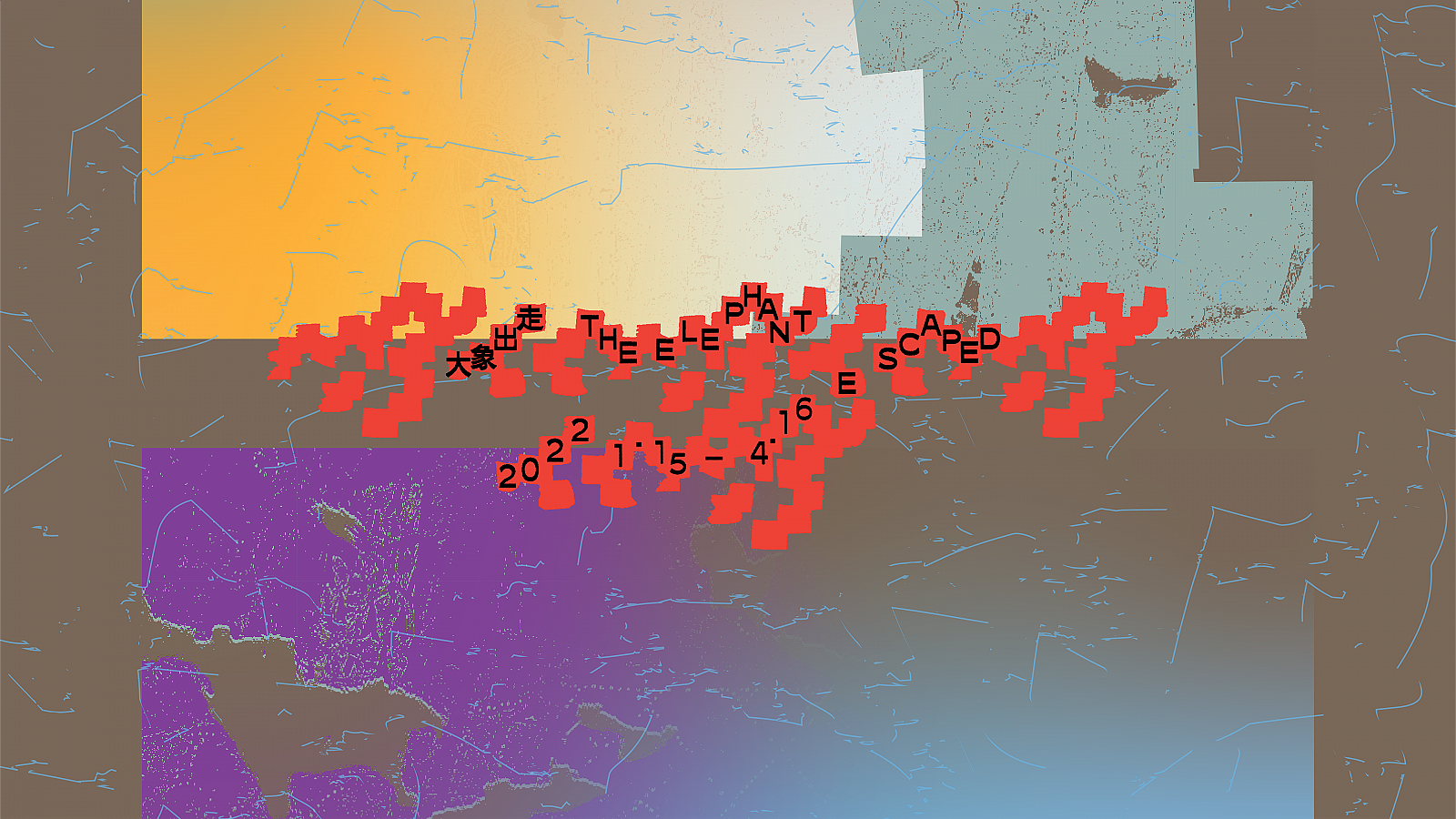
 The Elephant Escaped
Foggy Times
2022.01.15 Saturday 14:00
Location
MACA Art Center
Speaker: Lu Nei
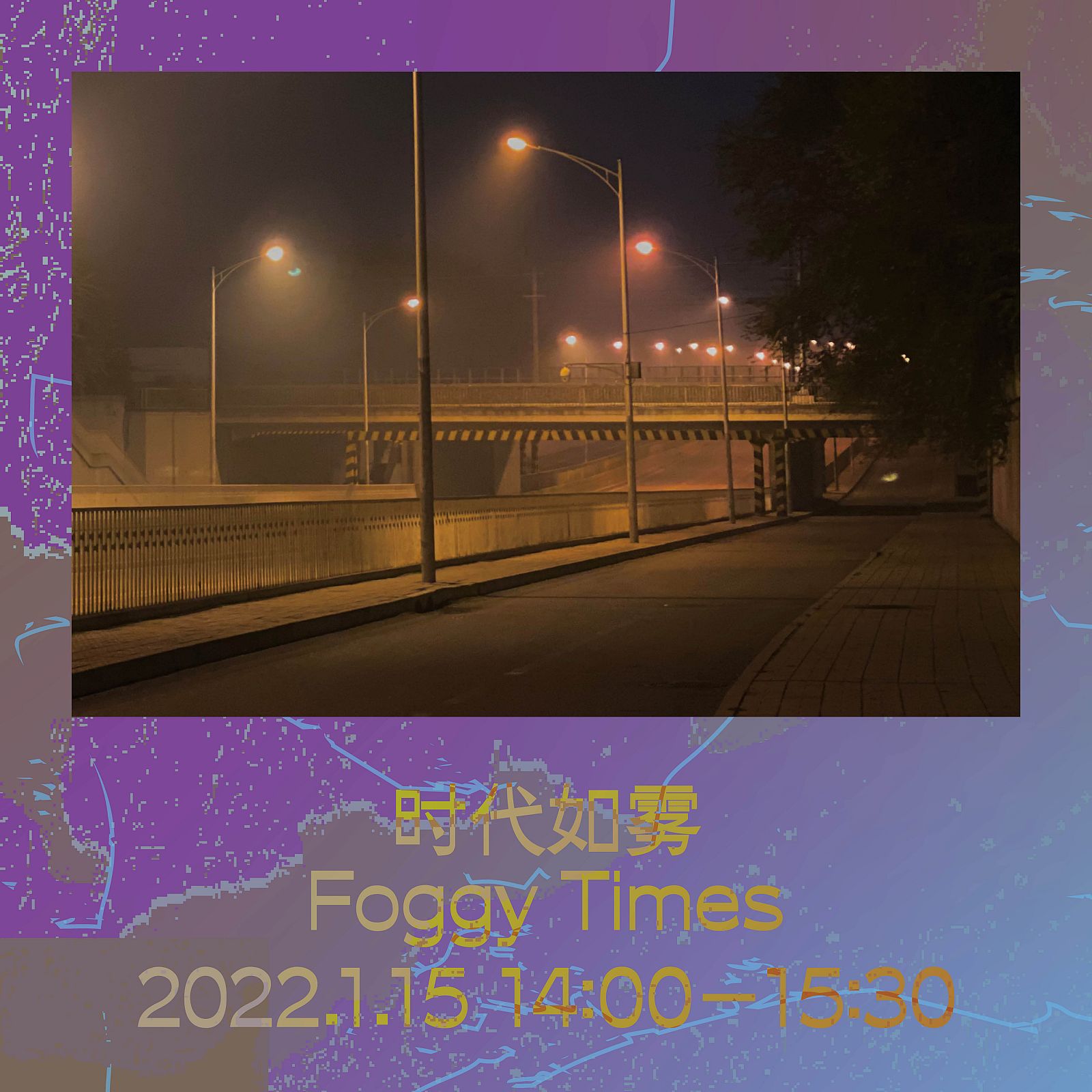
MACA’s inaugural exhibition “The Elephant Escaped” began with an exploration of today’s attitudes, lived circumstances, and related emotions and mentalities. While preparing for the exhibition, we were inspired by Lu Nei’s novel Mistwalkers, published in January 2020. Through that non-linear polyphonic story, we explored the different and rich inner worlds of individuals in a specific time. In Mistwalkers, a literary vision of the decade from the 1998 floods to the 2008 Beijing Olympics gave the exhibition a conduit of memory through which to understand the present, while also providing a material reference for the exhibition’s design.
During the exhibition opening on January 15, MACA is delighted to host a discussion with novelist Lu Nei, moderated by Yuan Fuca, curator of “The Elephant Escaped.” Dai Jinhua has noted the “intersex” literary qualities of Mistwalkers—the characters in the novel and their perceptions of themselves are always pending. Lu’s writing is always guided by and implicated in the fates of these characters, as if walking through fog. Lu’s literary world offers us an anthropological perspective. By engaging with a social world comprised of warehouse staff, migrant workers, hipsters, and other transient groups, we also slowly start to see our own lives and desires.
About the Speaker
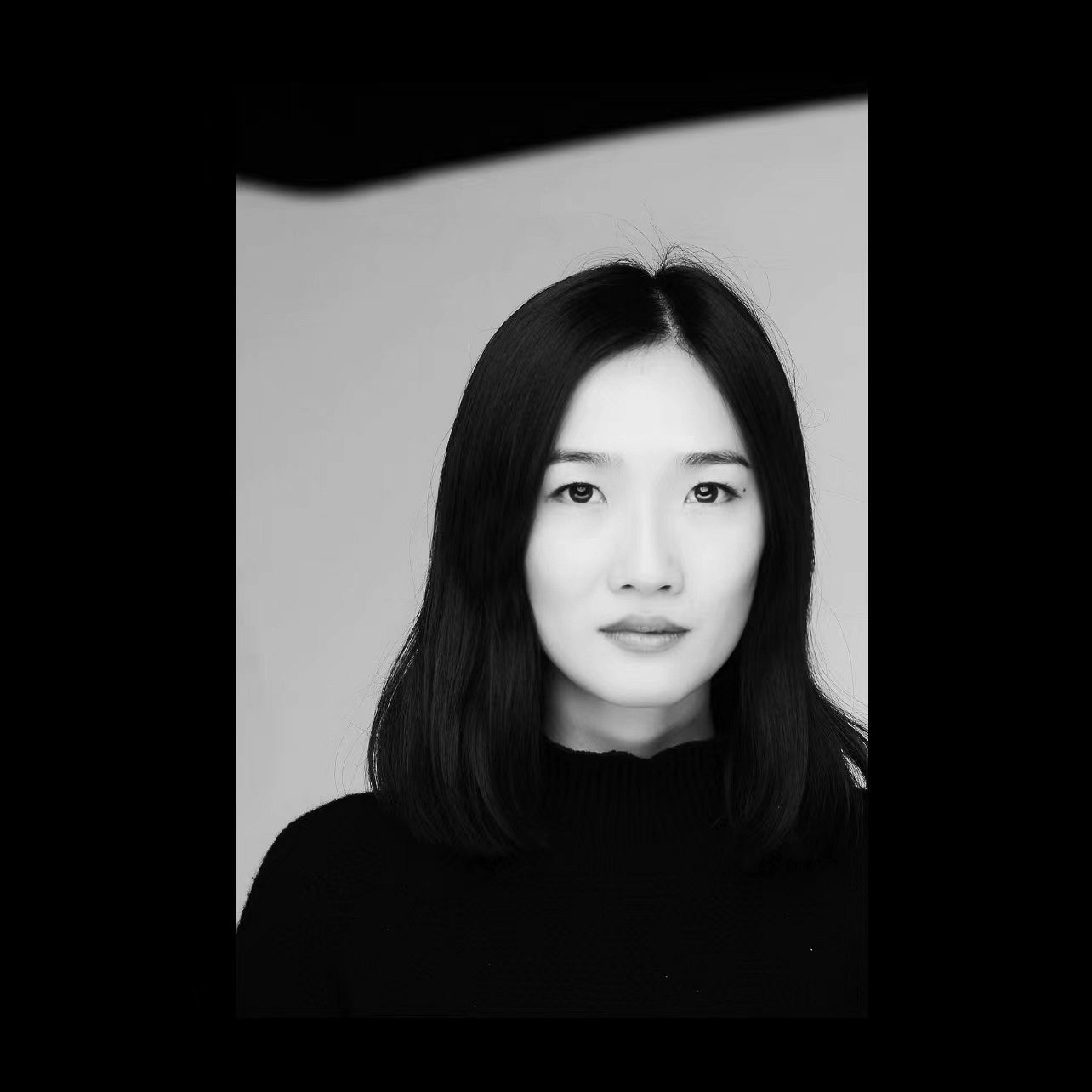
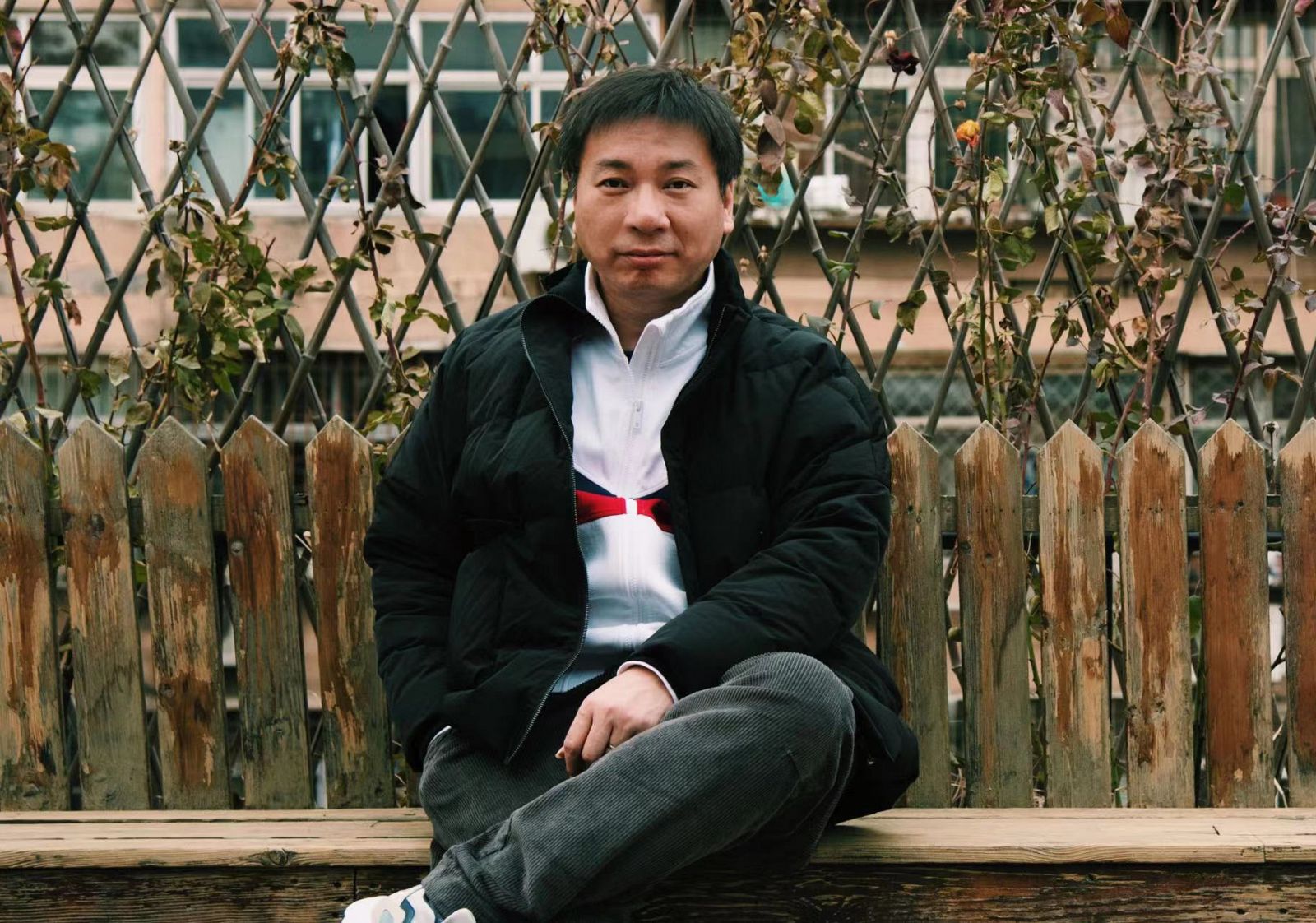
Lu Nei
Novelist, author of Young Babylon, Compassion, and Mistwalkers
About the Moderator
Yuan Fuca
Chief Curator-at-Large of MACA, curator of “The Elephant Escaped”