,单频黑白有声高清影像,14分55秒,2021年,美凯龙艺术中心委任创作。图片由艺术家及美凯龙艺术中心提供 .jpg?w=1600)
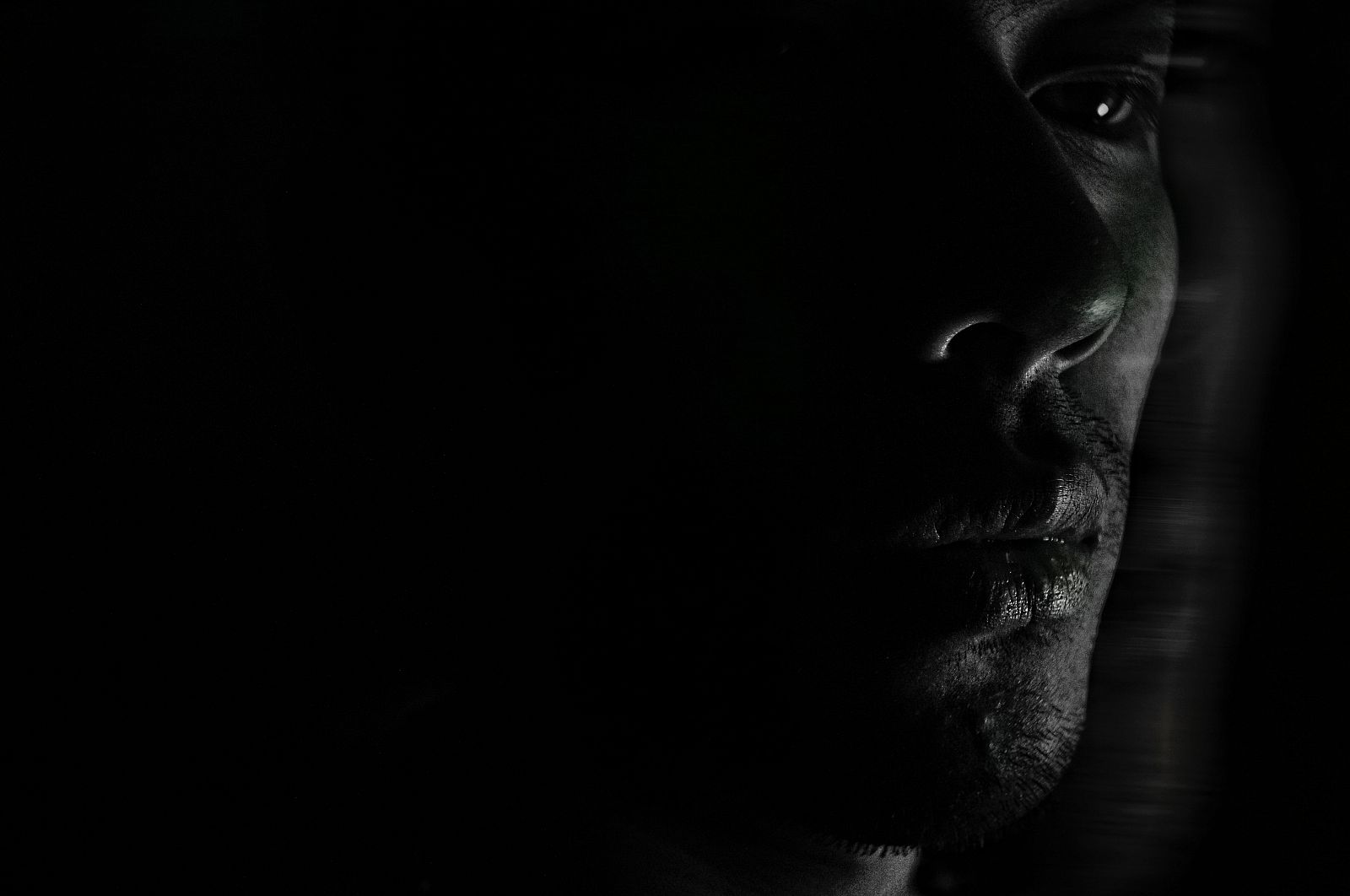
Payne Zhu,“Mismatch”(still), 2021, video, b&w, sound, 14’55”, commissioned by MACA. Courtesy of the artist and MACA.
Through night-vision sensors, a scene in a dimly lit club is transformed into something obscure, as a voice confidently describes perspectives on the allocation of capital and distribution of labor in the global financial system. This understanding of capitalism triggers emotions that are a mixture of anxiety and excitement. In the second half of the film, a long take focuses on two people dancing to sentimental pop music, as their two bodies gently meld. In that moment, have they temporarily forgotten the coldness and brutality of this fetishistic world, or are they actively looking into the next speculative business?
In this part of the film, the bodies, faces, and dancefloor become greyish fluid, and the images, like the currencies described by the dancers, can be used as a medium of exchange. In a scene, the dancers’ faces are replaced with deepfakes; gender, age, and ethnicity are not fixed. “You can always get what you want.” Here, thinking about finance and physical transactions—which are two sides of the same coin—compose a song that rails against the regime of desire in the pharmacopornographic era.*
*A concept from Paul B. Preciado’s Testo Junkie
Payne Zhu, (1990, Shanghai), graduated from Shanghai University of International Business and Economics.
PNZ critically investigates the control systems that lead the rheology of finance, body, image, and becomes an exile or a rule-breaker, revealing or creating conflicts that are often hidden behind these systems.
Music: Sun Dasi
AI image restoration: The Spirit of the Valley
Dynamic migration of face: NDF STUDIO
Night-vision device support: Zhuoke Electronics
Theme music
Rent-seeking
Lyrics by: Payne Zhu
Composed by: Sun Dasi
Sung by: Sam Shiyi Qian