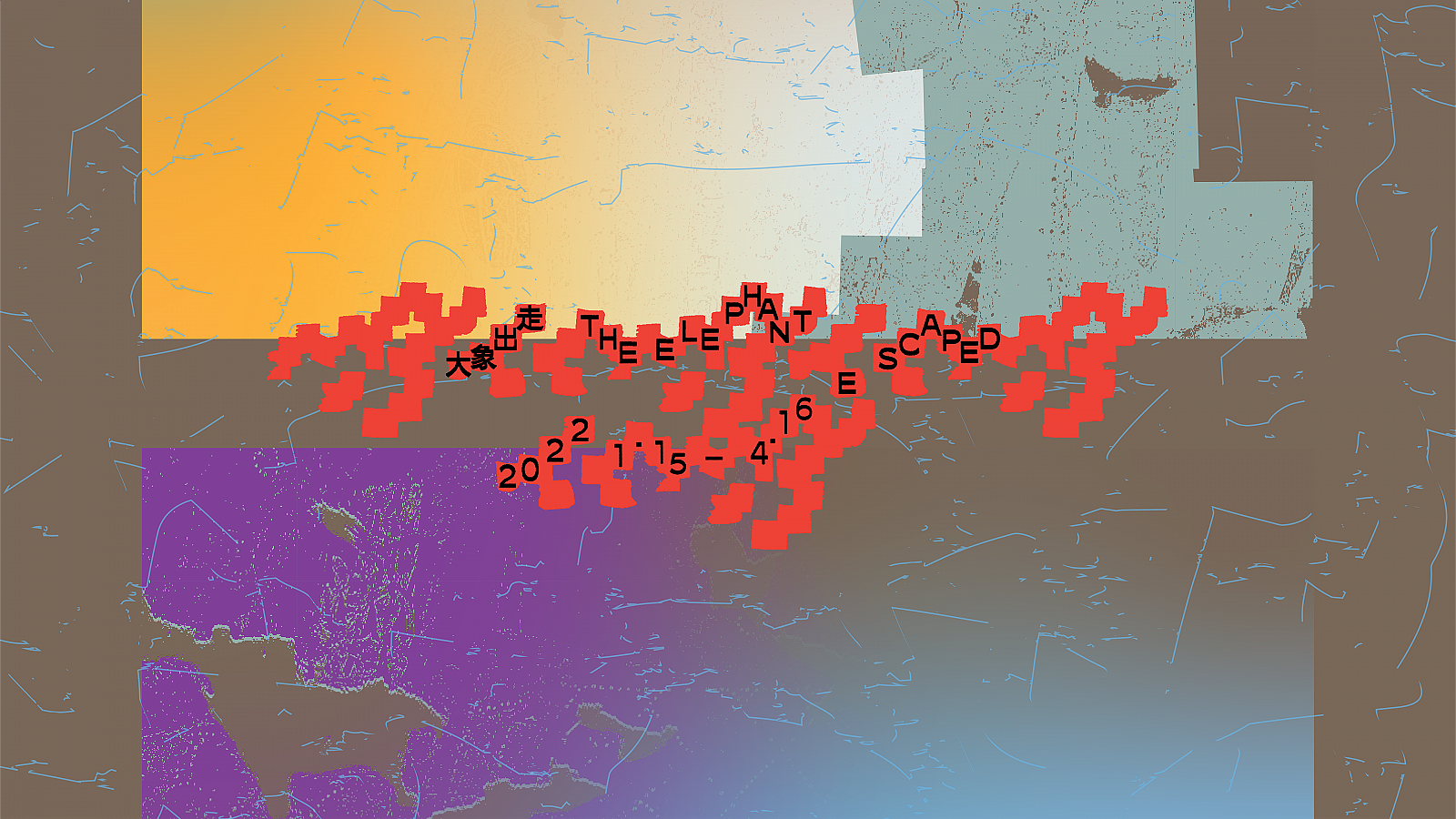
 The Elephant Escaped
Peng Zuqiang:Sight Leak
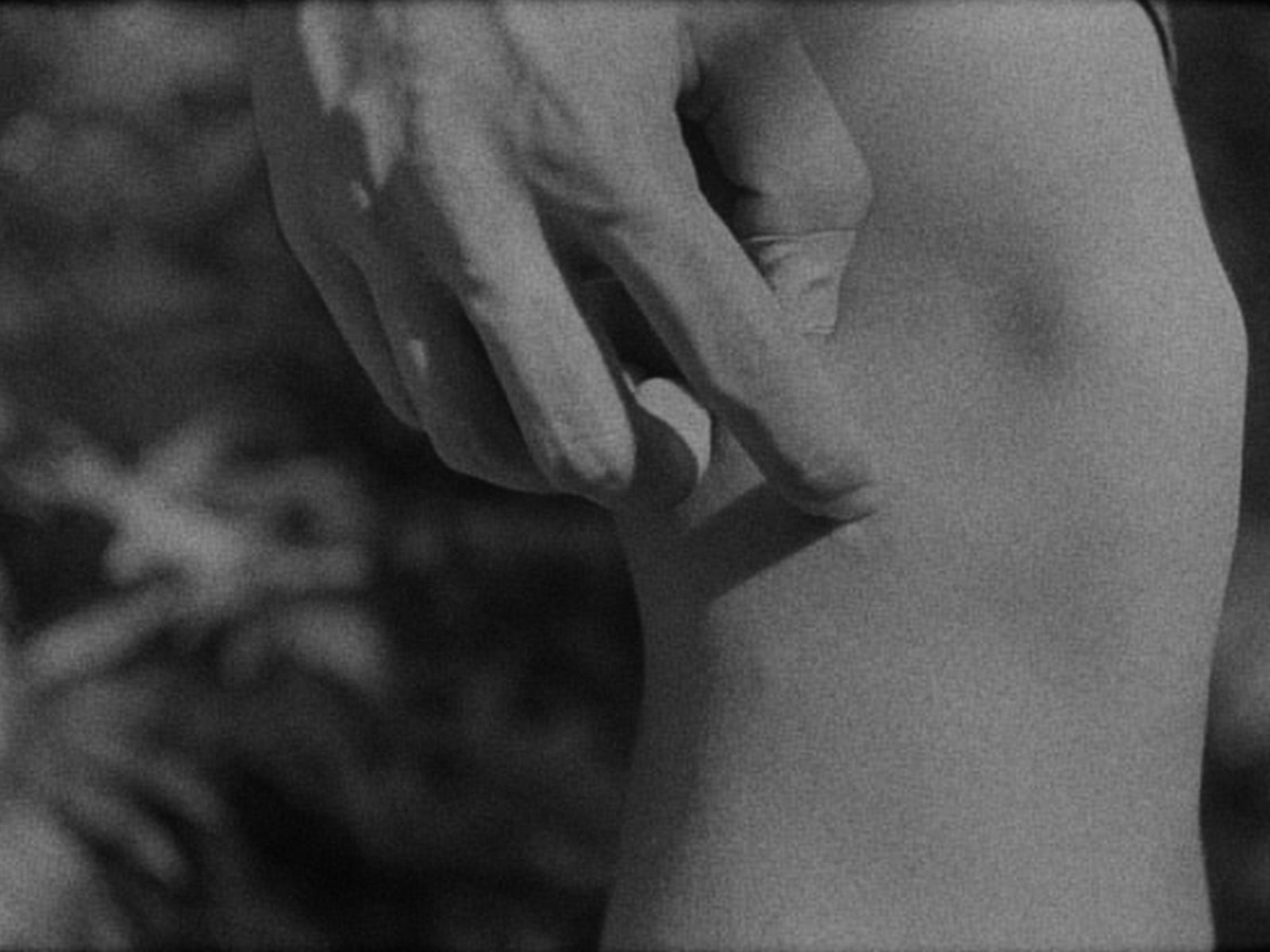
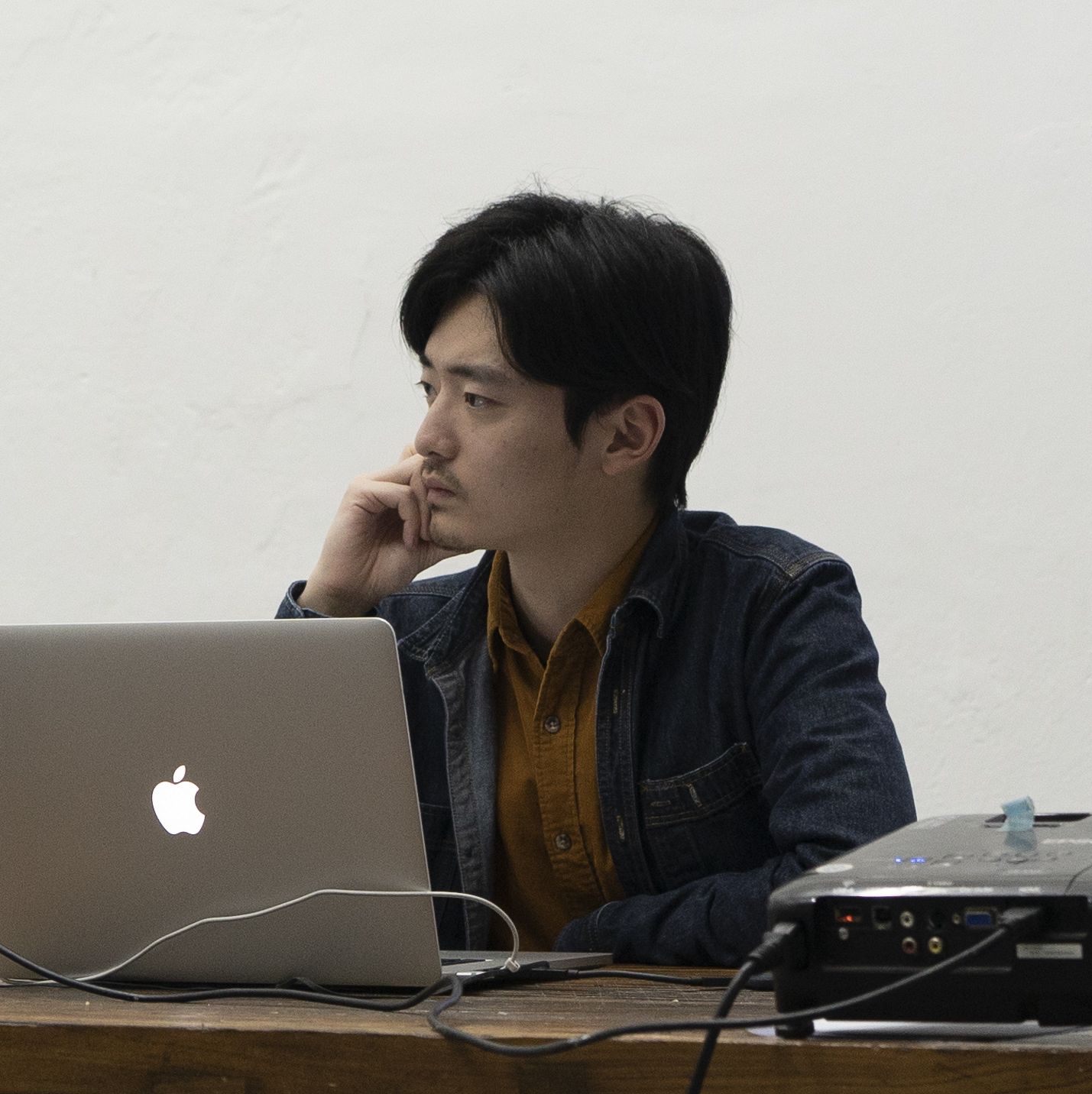
Peng Zuqiang, "Sight Leek", 2022, video, color, sound, 12'07", commissioned by MACA. "The Elephant Escaped" exhibition site. Photographer: Tsing Lim@AGENT PAY.
Peng Zuqiang
Sight Leak
16mm and Super 8mm film transferred to video, color, sound
12 min 7 sec
2022
“The moon, the sometimes dark street, trees, it’s warm […] at last, a certain eroticism possible (that of the warm night).” When Roland Barthes visited China in 1974, he jotted down some notes that would become his Travels in China (Carnets du voyage en Chine), reflecting his homoerotic imagination of an exotic country. Warm hands, passing glances, and bodies that keep themselves at a distance… The artist explores, wanders, and reflects while reconstructing the passions of the original book on Changsha’s streets and riversides. The male protagonist in the film passes through a variety of everyday spaces and buildings, and the voiceover is intermingled with chatting, pop music, general noise, and monologues. He seems to never look at anyone, but secretly he is looking at someone. In a dark, gloomy space, he turns to an imagined community that reconciles all differences in silence.
About the Artist
Peng Zuqiang (b. 1992, Changsha, Hunan) has exhibited work at the UCCA (Beijing, China), Times Art Center (Berlin, Germany), the International Documentary Film Festival (Amsterdam, Netherlands), the AntiMatter Film Festival (Victoria, Canada), and the Museum of Fine Arts (Houston, USA). He has participated in the MacDowell, Skowhegan, and Core Program residencies and fellowships. In 2020, he won the Special Jury Prize at the Huayu Youth Awards and a Special Mention at the Festival Film Dokumenter (Yogyakarta, Indonesia) for his first feature film, Nan.